What Are Some Tips for Safe House Demolition

Safe demolition starts long before machinery reaches the property. The right demolition safety measures reduce structural, electrical and environmental risks during the work. Careful planning also helps protect neighbouring properties, workers and valuable materials on the site. A clear plan can reduce delays and make the entire project easier to manage.

What is House Demolition?

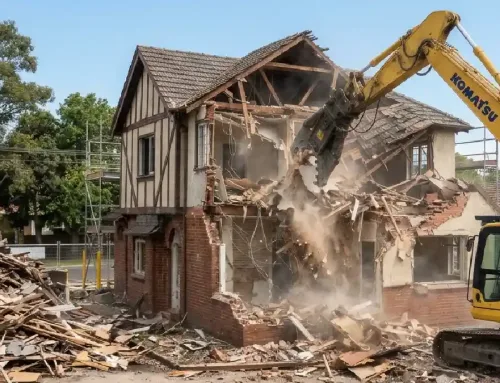
The house demolition process involves safely dismantling or removing an existing residential structure. It may involve a complete teardown or the removal of selected parts of a property. Demolition is often completed before rebuilding, redevelopment, major renovation or site preparation. The work can involve heavy machinery, hazardous materials, utility services and large amounts of building waste.

Pre-Demolition Preparation

Plan Your Scope, Budget and Site Access

Start by deciding exactly what will be removed and what needs to remain protected. Good demolition preparation should also consider site access, machinery space, waste removal, project costs and the expected timeline.

Hire a Licensed, Insured Demolition Contractor

Demolition involves structural risks that should not be handled without the right training and equipment. A licensed demolition contractor can assess the site, identify hazards and plan the work around local safety requirements.

Secure All Required Permits

Check which approvals apply before house demolition begins, as requirements can vary with the property and local planning controls. Starting applications early gives the project more time to address council requirements, heritage controls or other conditions.

Disconnect and Cap All Utilities

Electricity, gas, water, sewer and telecommunications should be disconnected before demolition work starts. Proper utility isolation is an important demolition safety step that helps prevent fires, electrocution, flooding and unexpected service damage.

Test for and Abate Hazardous Materials

Older properties can contain asbestos, lead-based paint, mould and other materials that require controlled handling. The house demolition process should only continue after hazardous materials likely to be disturbed have been properly identified and managed.

Salvage Reusable Materials First

Inspect the property for items that can be removed before machinery arrives on site. During demolition, appliances, timber, fittings, doors and windows may be salvaged for reuse or recycling.

Notify Your Neighbours

Let nearby residents know when demolition work is expected to begin and how long it may continue. Good communication supports safety by giving neighbours time to secure vehicles, pets and outdoor belongings before work starts.

On-Site Safety Protocols

Secure the Site Perimeter

Temporary fencing and clear warning signs should surround the demolition area before work begins. Strong perimeter controls improve demolition safety by limiting public access and helping contain dust and loose debris.

Require Full PPE for Everyone On-Site

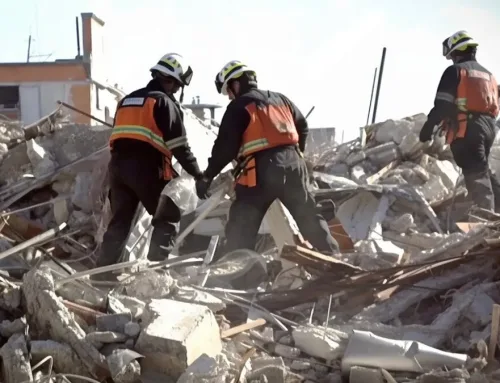
Anyone entering an active demolition area should wear suitable protective equipment for the identified hazards. During demolition, this may include hard hats, steel-capped boots, high-visibility clothing, gloves, eye protection and suitable respiratory protection.

Maintain Safe Lighting and Power on Site

Demolition areas should have enough lighting to identify obstacles, uneven surfaces and other hazards. Temporary power, leads and electrical equipment should also be positioned safely away from machinery and wet areas.

Control Dust With Water-Mist Suppression

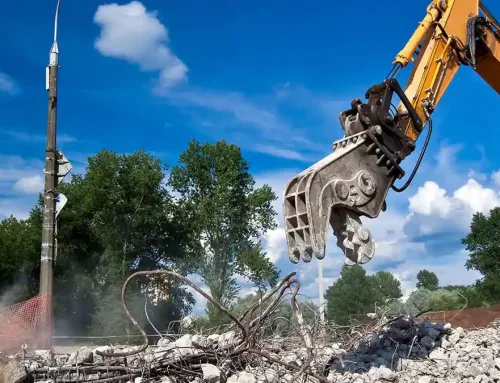
Dust can spread beyond the property and affect workers, neighbours and nearby buildings. Use controlled water mist during demolition to reduce airborne dust and keep surrounding areas cleaner.

Dismantle Top-Down

Structures should be dismantled in a planned sequence from the top down wherever the method suits the building. The house demolition process should never remove structural supports too early or create an uncontrolled collapse.

For partial demolitions, temporary shoring may be required to support remaining load-bearing walls and structural elements. The remaining structure should be assessed carefully before any supporting section is removed.

Sort and Manage Debris Continuously

Demolition waste should be cleared and separated as the work progresses rather than left in large, unstable piles. Good demolition safety practices include keeping walkways clear and separating materials such as timber, metal, concrete and other recyclable waste.

Why Hire a Professional for House Demolition?

Professional demolition reduces the risks associated with structural instability, hazardous materials, heavy machinery and falling debris. A qualified demolition contractor can plan each stage around site conditions, safety controls and project requirements. This approach also helps prevent avoidable property damage and unnecessary delays. Experienced professionals have the equipment and knowledge needed to manage difficult site conditions safely.

On Spot Demolition brings over 20 years of industry experience to residential and commercial projects. Our team is licensed and insured and manages planning, paperwork, site preparation, demolition and clean-up from start to finish. For house demolition in Melbourne, we use modern equipment and qualified operators to deliver safe, efficient and timely results. Contact us on 0416 610 105 or email info@onspotdemolition.com to discuss your demolition project.

Frequently Asked Questions

A typical demolition may take around 1–5 days for the physical work, while the complete project can take longer due to approvals and preparation. Read more about how long house demolition takes.

A building permit is generally required for demolition in Victoria, although specific exemptions and planning requirements can apply.

Work should stop in the affected area until the asbestos is assessed and managed correctly by appropriately licensed professionals. This is an important part of demolition safety and compliance in Victoria.

The cost depends on factors such as property size, access, hazardous materials, permits, waste disposal and site conditions. Read more about house demolition costs in Melbourne.